August 22, 2026
Maintaining the exterior surfaces of a residential or commercial property requires consistent care, environmental awareness, and effective washing techniques to remove accumulated grime, mildew, and stubborn stains. Over time, outdoor surfaces like concrete driveways, wooden decks, brick paver patios, and vinyl siding absorb harsh weather elements, road oils, airborne pollutants, and organic spores that dull their original appearance. Allowing dirt, algae, and mold growth to linger on exterior surfaces creates unsightly discoloration, damages surface coatings, and introduces dangerous slip hazards along high-traffic walkways. Utilizing specialized high-pressure washing methods offers a highly efficient way to restore outdoor curb appeal, eliminate slippery organic buildup, and extend the total operational life span of various building materials. However, operating heavy washing machinery demands proper technical preparation, correct nozzle selection, precise surface distance management, and strict personal safety protocols to prevent permanent material damage or unexpected personal injuries. Understanding the core principles of effective surface maintenance helps property owners protect their financial investment while achieving pristine, uniform results across every square foot of their outdoor living spaces. Partnering with seasoned exterior maintenance professionals who specialize in routine pressure cleaning ensures that your property receives thorough, safe, and tailored care tailored specifically to each unique material surface.
Selecting Proper Nozzles
Selecting appropriate spray tips represents the foundational first step in managing water velocity, spray pattern width, and total cleaning power for different exterior building materials. Modern high-pressure spray wands utilize standardized, color-coded nozzles designed to deliver specific spray angles ranging from narrow, concentrated pinpoint streams to wide, gentle fan sprays. Red zero-degree nozzles generate an intensely concentrated water stream intended exclusively for tough spot treatments on unpainted, heavy-duty concrete surfaces, though using them improperly can easily gouge softer building materials or chip masonry joints. Yellow fifteen-degree and green twenty-five-degree nozzles provide versatile cleaning angles, making them ideal for stripping paint, blasting away caked mud, or washing concrete driveways and stone pavers efficiently. White forty-degree and black chemical applicator nozzles deliver gentle, wide fan patterns perfect for rinsing delicate vinyl siding, painted wood trim, and glass window perimeters without causing structural damage. Matching nozzle spray angles to the specific hardness of the target material prevents unsightly surface etching, preserves delicate wood grain patterns, and ensures effective grime removal across all residential exterior surfaces.
Adjusting Surface Pressure
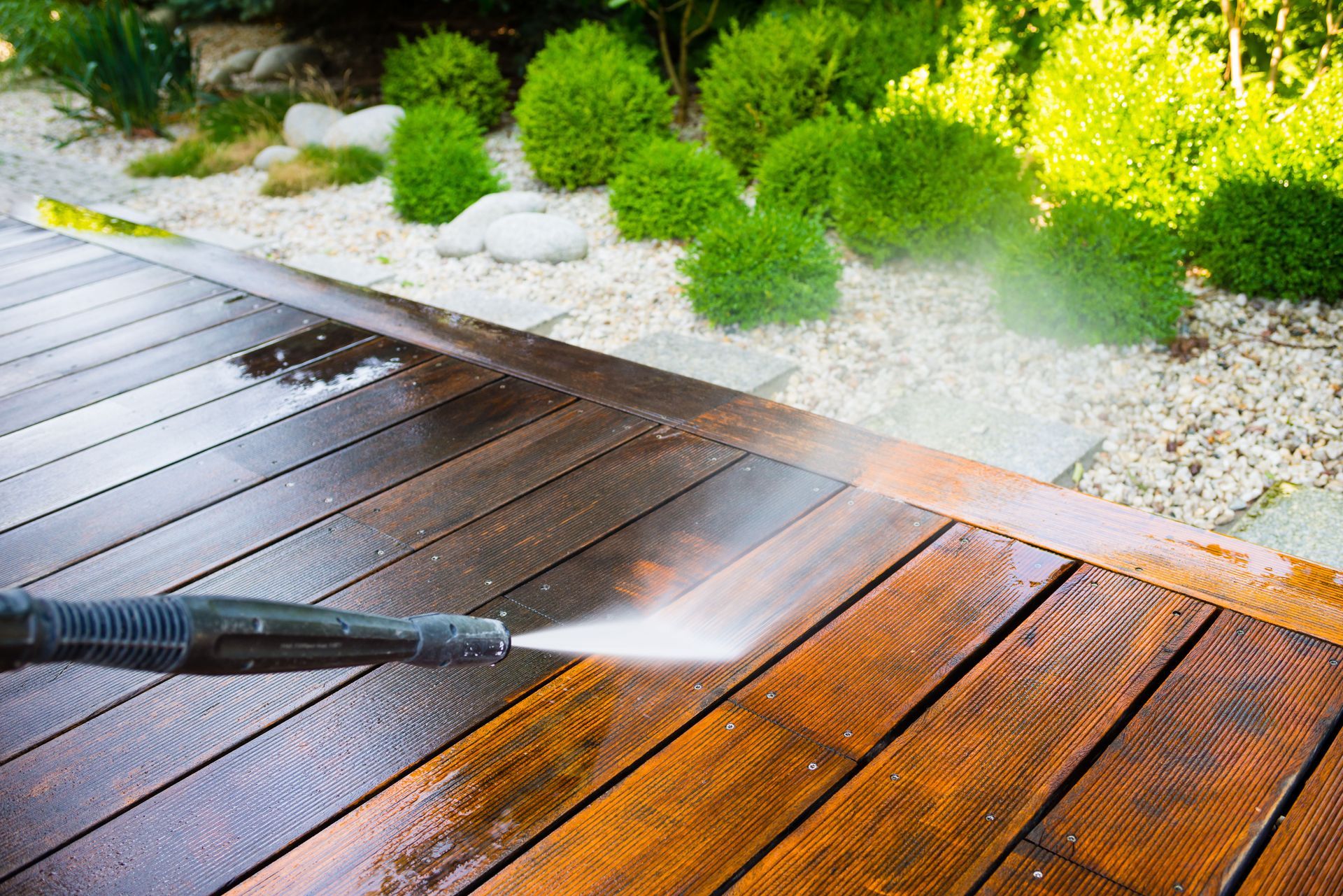
Adjusting water force levels according to material density, surface age, and paint coating thickness prevents permanent structural gouging, paint peeling, and water intrusion into interior wall cavities. High-density materials like solid concrete, brick pavers, and asphalt driveways withstand robust force levels required to dislodge deep oil stains, embedded dirt, and tire marks effortlessly. Conversely, delicate building surfaces such as softwood decking, cedar shake shingles, painted stucco, and vinyl siding demand significantly lower force settings paired with specialized eco-friendly cleaning solutions to remove organic growth safely. According to Homes.com, safety precautions are essential because the water stream can exert up to 2,000 pounds of force. This immense kinetic energy highlights why operators must exercise extreme caution, wear protective eyewear, and adjust mechanical settings carefully to avoid personal injury or structural damage during cleaning sessions. Calibrating equipment pressure controls prior to washing ensures that dirt and algae wash away completely while preserving the physical integrity and protective coatings of delicate residential building materials.
Applying Detergent Solutions
Incorporating specialized cleaning solutions and eco-friendly detergents into your washing routine significantly enhances dirt breakdown, eliminates deep organic spores, and shortens total cleaning times. Relying solely on cold water pressure often requires excessive force to dislodge stubborn mold, dark mildew, and persistent algae stains, which increases the risk of surface damage. Applying specialized biodegradable soaps and targeted algicides breaks down organic cellular structures at the surface level, loosening stubborn grime so it rinses away effortlessly under low-force settings. Utilizing black low-pressure chemical nozzles or dedicated downstream injectors allows operators to apply cleaning solutions evenly across broad vertical walls, high roof lines, and expansive deck floors prior to final rinsing. Allowing detergent solutions to dwell on dirty surfaces for several minutes ensures thorough chemical action without letting the soap dry completely under direct sunlight. Combining targeted cleaning formulas with gentle rinsing procedures yields a superior, long-lasting clean that keeps organic mold and mildew from returning quickly to your exterior walls.
Protecting Surrounding Spaces
Preparing the immediate work environment prior to starting high-pressure washing machinery prevents accidental property damage, electrical hazards, and harm to surrounding landscape features. High-force water streams, drifting overspray, and chemical runoff can damage delicate flower beds, scorch lush lawn grass, and strip decorative leaf wax from ornamental shrubs if left unprotected. Property owners should thoroughly soak surrounding plants, bushes, and garden beds with clean water before and after chemical applications to dilute potential detergent runoff effectively. Furthermore, covering exposed outdoor electrical outlets, exterior light fixtures, air conditioning compressors, and doorbell cameras with heavy plastic sheeting prevents dangerous short circuits and water damage to sensitive home electronics. Moving outdoor patio furniture, potted plants, gas grills, and door mats away from active washing zones keeps work corridors clear and prevents tripping hazards for equipment operators.
Maintaining Consistent Angles
Maintaining consistent spray angles, steady wand motions, and uniform distance spacing prevents unsightly striping patterns, lap marks, and uneven surface finishes across broad building expanses. Holding the spray wand at a consistent forty-five-degree angle relative to the work surface allows high-velocity water to lift dirt edge-first while preventing water from driving beneath siding panels or lap seams. Operators should sweep the spray wand smoothly back and forth, keeping the nozzle tip a consistent distance from the material to maintain uniform cleaning power across every pass. Overlapping each sweeping pass slightly eliminates missed dirt streaks and prevents visible zebra striping on concrete driveways, wooden decks, and broad vinyl walls. Sweeping water down sloped surfaces or along vertical siding boards ensures that loosened dirt and soapy residue rinse away completely toward low drainage points without re-depositing on freshly cleaned areas.
Wearing Safety Gear
Equipping operators with proper personal protective equipment shields against high-velocity water deflection, flying debris, chemical overspray, and severe skin lacerations during active cleaning sessions. The extreme force generated by high-pressure spray wands can propel small rocks, dislodged wood splinters, and loose paint chips backward toward the operator at high speeds. Wearing heavy-duty safety goggles or full face shields protects delicate eye tissue from flying gravel and stinging soap overspray, while chemical-resistant rubber gloves keep skin safe from concentrated cleaning detergents. Sturdy, steel-toe boots with slip-resistant rubber soles provide essential traction on wet, soapy walkways and protect feet from accidental direct contact with high-velocity water streams.
Executing a successful exterior washing project requires careful equipment setup, correct nozzle selection, precise force calibration, proper detergent application, and unyielding adherence to personal safety protocols. Protecting surrounding landscaping, maintaining steady spray angles, and equipping operators with proper protective gear ensures that tough dirt, mold, and algae disappear without damaging underlying building materials. Whether refreshing concrete driveways, wooden patio decks, or vinyl wall siding, systematic preparation converts challenging outdoor maintenance tasks into rewarding home improvement projects that elevate overall curb appeal. Prioritizing thorough care and professional techniques preserves long-term material integrity, safeguards home equity, and keeps outdoor living spaces clean, vibrant, and inviting for family members and guests through every season. At High Country Pressure Cleaning, LLC, we take immense pride in delivering exceptional exterior washing, surface restoration, and comprehensive property maintenance solutions tailored to protect and beautify your investment. Contact us today to learn more about how our dedicated team can revitalize your home's exterior safely, efficiently, and brilliantly.